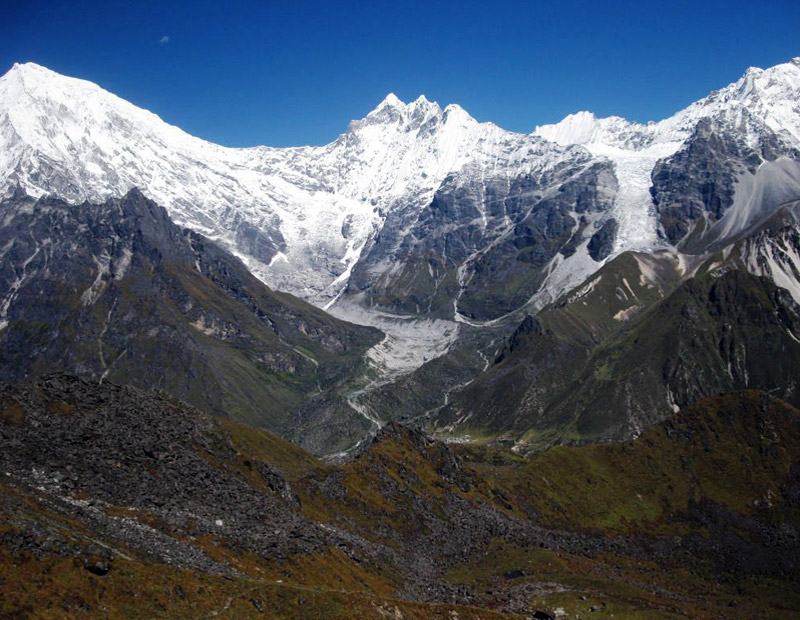
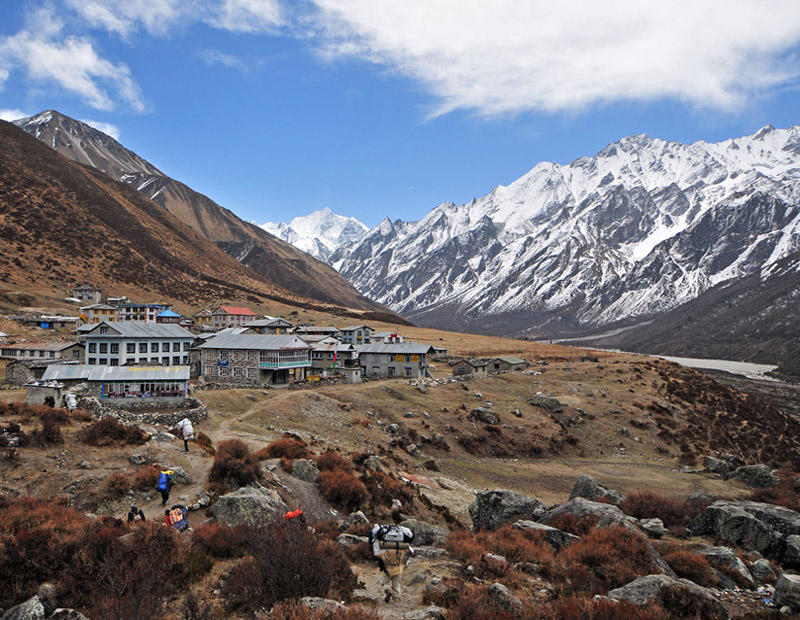
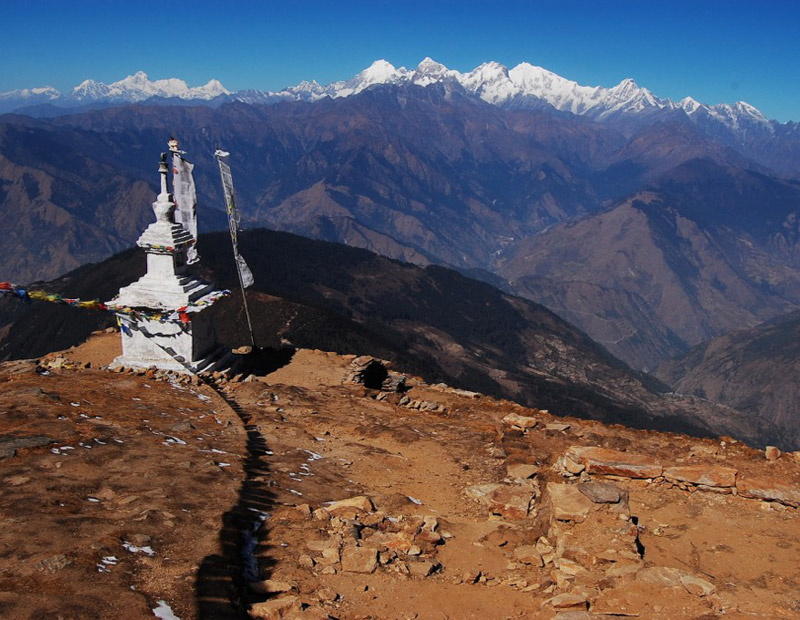
The Langtang and Helambu region occupies a unique position in Nepal's trekking landscape: it is the closest major Himalayan trekking destination to Kathmandu, with the national park boundary just 32km to the north of the capital. The trailhead at Syabrubesi is accessible by road, meaning no domestic flight is required, and treks here are typically 7 to 16 days - shorter than the major Annapurna and Everest circuits. Yet the Langtang region is in no way a lesser experience. The Langtang Valley itself is a spectacularly scenic glacial valley flanked by peaks including Langtang Lirung (7,234m), Dorje Lakpa (6,966m) and Gangchenpo (6,387m). The valley's characteristic is the dramatic intimacy of the mountains - they rise directly from the valley floor on both sides, creating one of the most enclosed and dramatic Himalayan landscapes in Nepal.
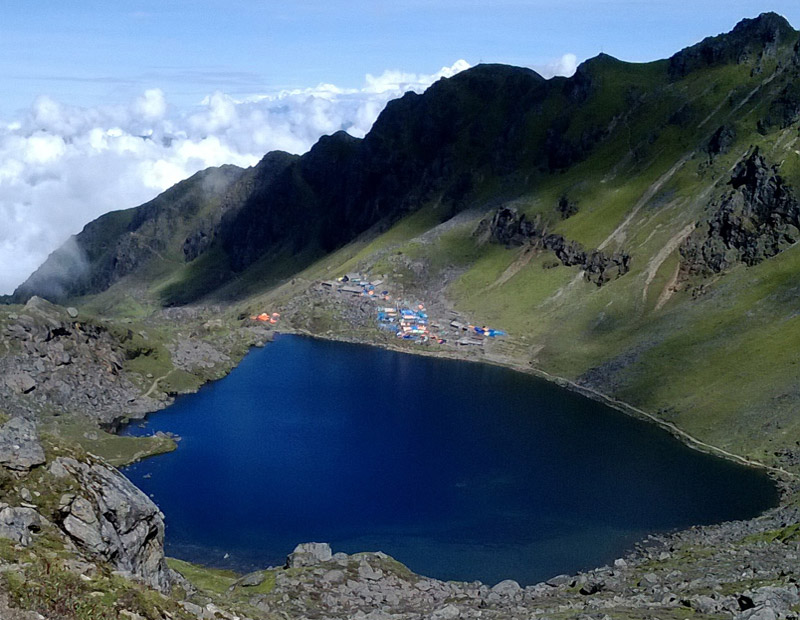
The region was badly affected by the 2015 earthquake, which triggered a massive landslide that largely destroyed Langtang village and killed hundreds of residents and trekkers. The community has rebuilt and the trekking infrastructure is fully operational, but the tragedy has left the Langtang trails significantly less crowded than before - which is both a sad reflection of the disaster and a genuine asset for trekkers seeking a less-trafficked Himalayan route. The Helambu area to the east of the main Langtang range offers a different character: high wooded foothills with traditional villages, impressive Buddhist monasteries and glacial moraines accessible on easy to moderate trails. Between the Langtang Valley and Helambu lie the Gosaikunda Lakes at 4,380m - a chain of sacred glacial lakes that draw Hindu pilgrims during the Janai Purnima festival each August.
The Tamang Heritage Trail, developed as a community tourism initiative, routes through traditional Tamang villages in the foothills below the main range - a cultural trekking experience distinct from the mountain-focused main valley routes. The region's trails are best combined with a Kathmandu Valley heritage tour before or after the trek. For the closest comparison in terms of length and accessibility, see also our Annapurna region trekking guide. For wildlife context, the park's biodiversity includes red panda, snow leopard, Himalayan black bear, ghoral and serow.
The Langtang National Park boundary is just 32km north of Kathmandu - the Himalayan snow peaks are visible from the city on clear days. The trailhead at Syabrubesi is a 7-8 hour drive. No domestic flight is required. This makes Langtang the most accessible major Himalayan trekking destination in Nepal and an excellent choice when Lukla flight weather is problematic.
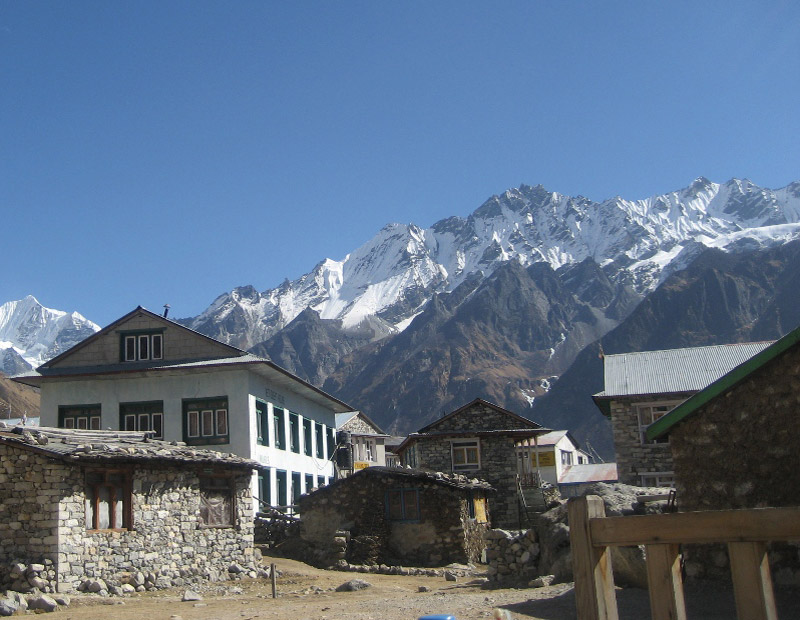
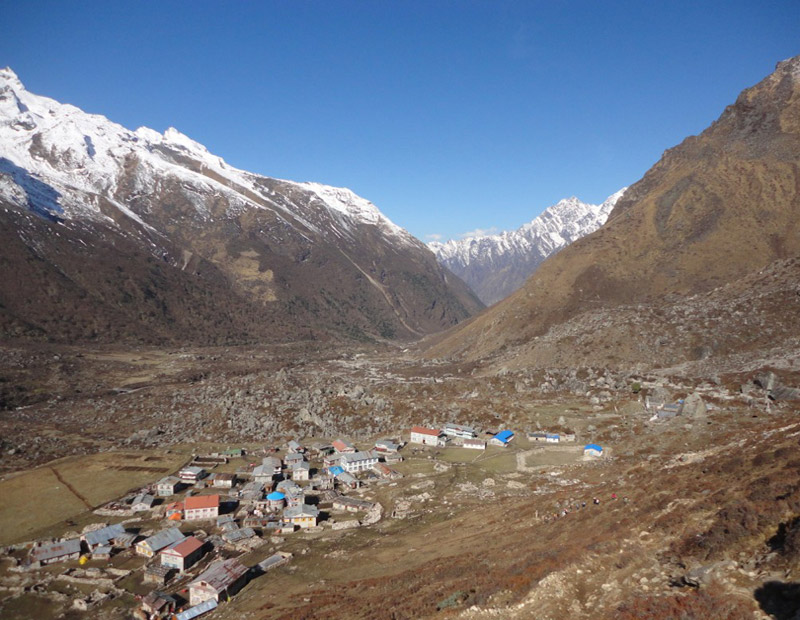
A landslide triggered by the April 2015 earthquake largely destroyed Langtang village. The area has been fully rebuilt and the trekking infrastructure is operational since 2017-2018. The trail is well-maintained with new teahouses throughout. Trekking to Langtang now directly supports the rebuilding community.
The Gosaikunda Lakes are a chain of sacred glacial lakes at 4,380m in the Langtang National Park, considered holy to both Hindus and Buddhists. The Janai Purnima festival (July-August) draws thousands of Hindu pilgrims to the lake. The Gosaikunda route connects the Langtang Valley to the Helambu region and can be incorporated into a circuit trek combining both areas.
Langtang National Park permit (NPR 3,000) and TIMS Card (NPR 2,000). We include all permits in our Langtang trek packages. No restricted area permits are needed for any standard Langtang and Helambu routes.
Getaway Nepal Adventure (P.) Ltd.
Thamel Kathmandu, Nepal
Tel: +977 98510 38 908





 TripAdvisor