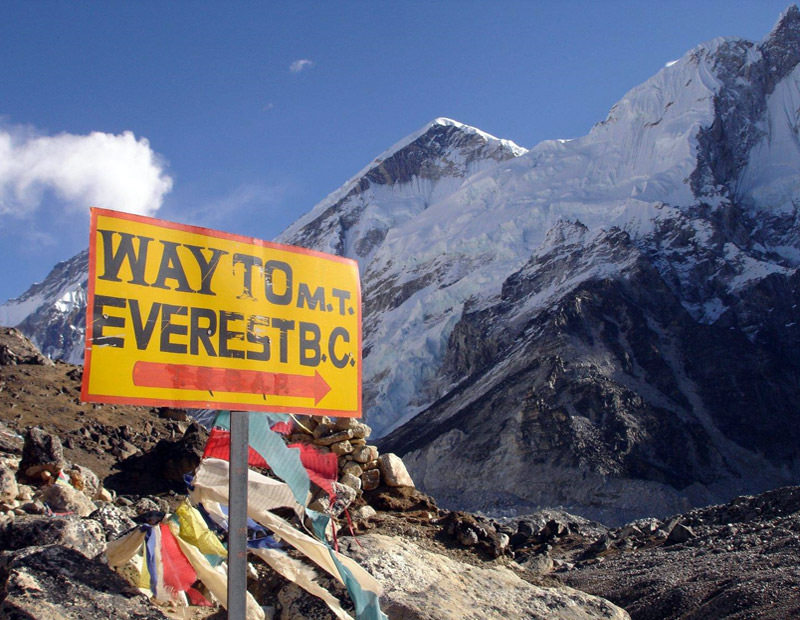
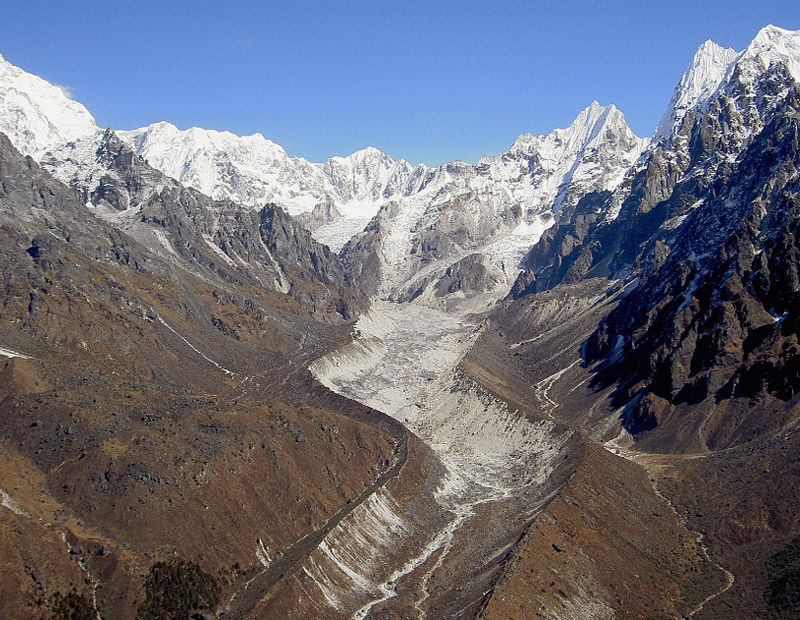
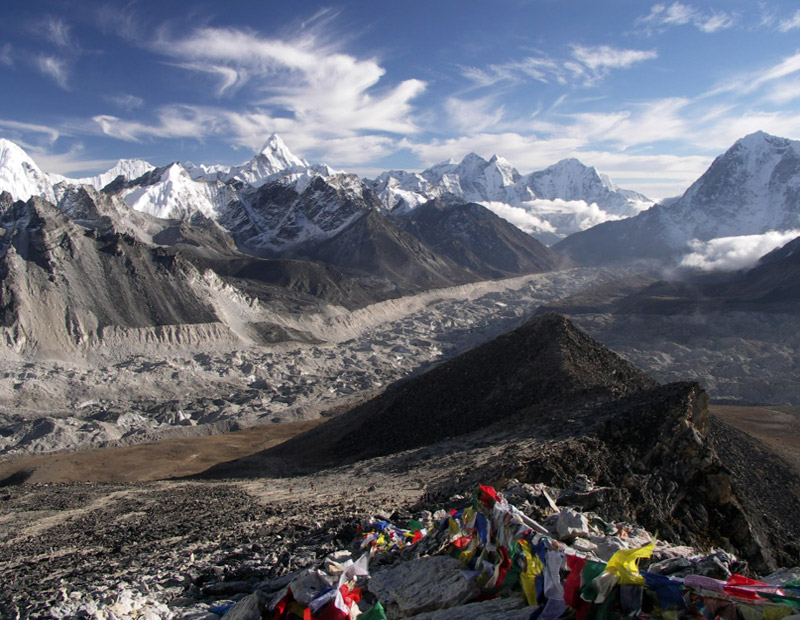
The Khumbu - the Everest region of Nepal - is the second most popular trekking destination in the country and the most famous. While slightly harder to access than the Annapurna region (requiring a 35-minute domestic flight to Lukla or a week's walk from the highway), the Khumbu delivers an experience that justifies the journey: four of the world's fourteen 8,000m peaks, the legendary Sherpa people and their Buddhist culture, the UNESCO-listed Sagarmatha National Park, and the iconic route to Everest Base Camp (5,364m) that has drawn trekkers since Tenzing Norgay and Sir Edmund Hillary first climbed the mountain in 1953. The region is also known locally as Solu-Khumbu, with the lower Solu valley below Lukla offering traditional Sherpa villages and the alternative Jiri-to-EBC walking route that traces Hillary's original 1953 approach.
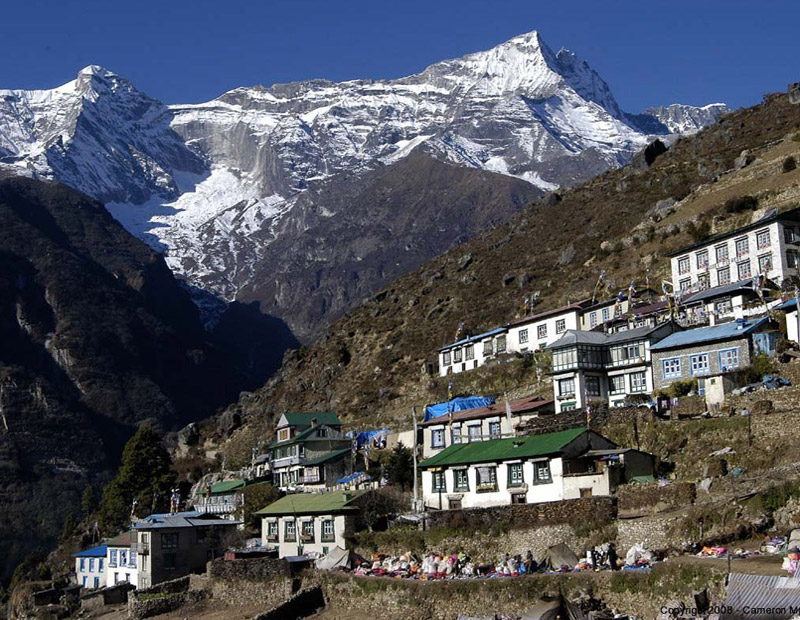
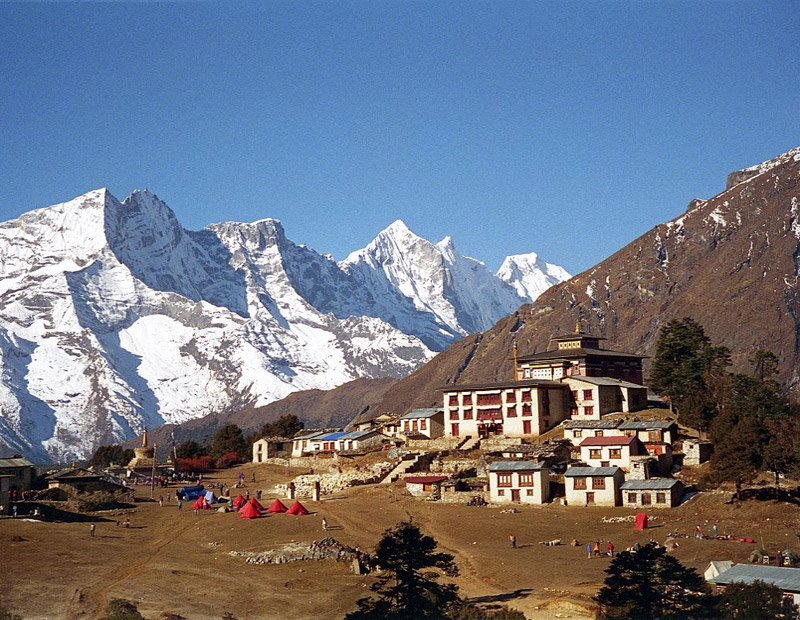
The Khumbu contains four of the world's highest peaks: Everest (8,849m), Lhotse (8,516m), Cho Oyu (8,188m), and Makalu (8,481m) - the world's 5th highest, located just east of the Khumbu in the Barun Valley. The Sherpa communities of Namche Bazaar, Tengboche, Khumjung and Thame have built the teahouse infrastructure, guiding expertise and cultural richness that make trekking here extraordinary. Tengboche Monastery at 3,870m, in its dramatic position below Ama Dablam (6,812m) with Everest in the background, is one of the most photographed locations in the Himalaya. The Khumbu's biodiversity includes snow leopard, red panda, Himalayan tahr, musk deer and over 100 bird species within Sagarmatha National Park's boundaries (2,845m to 8,849m altitude).
Trek routes range from the classic Everest Base Camp Trek (14 days) to the Gokyo Lakes Trek (14 days) to the challenging Three High Passes Trek (19-21 days). For a shorter Khumbu experience, the Everest Panorama Trek reaches Tengboche in 7-10 days. The original Hillary approach from Jiri is covered by the Jiri to Everest Base Camp Trek. All routes combine naturally with Kathmandu Valley sightseeing and Chitwan National Park safari as part of a complete Nepal itinerary.
The primary access is by domestic flight from Kathmandu to Lukla (35 minutes). Flights are subject to weather delays - build 1-2 buffer days into your schedule. The alternative is the Jiri to EBC walking route (adding 7-9 days) which follows Hillary's 1953 approach through the Solu Khumbu villages. We coordinate all flight bookings and logistics for Everest region treks.
Sagarmatha National Park entry permit (NPR 3,000) and TIMS Card (NPR 2,000). Both are included in our trek packages. No additional restricted area permits are required for standard Khumbu routes including EBC, Gokyo Lakes, Three High Passes and Rolwaling Valley.
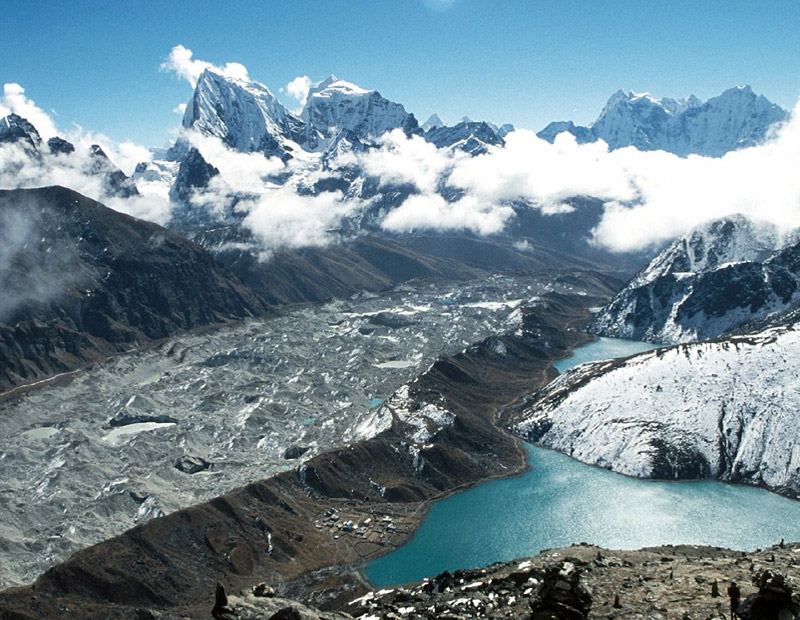
Both are outstanding. Everest Base Camp is the iconic route - you walk to the foot of the world's highest mountain, with the Khumbu Icefall above. Gokyo Ri (5,357m) offers a wider 4-peak panorama (Everest, Lhotse, Makalu, Cho Oyu simultaneously) and far fewer other trekkers. The Three High Passes Trek combines both via Cho La and Renjo La - the definitive Khumbu circuit.
October to November is peak season with the clearest views. March to May is spring - Everest summit season means helicopter traffic above Base Camp in May. December to February is cold but clear (temperatures at Gorak Shep can drop to -20 degrees C at night). Monsoon (June to September) brings Lukla flight cancellations and poor visibility.
Getaway Nepal Adventure (P.) Ltd.
Thamel Kathmandu, Nepal
Tel: +977 98510 38 908





 TripAdvisor