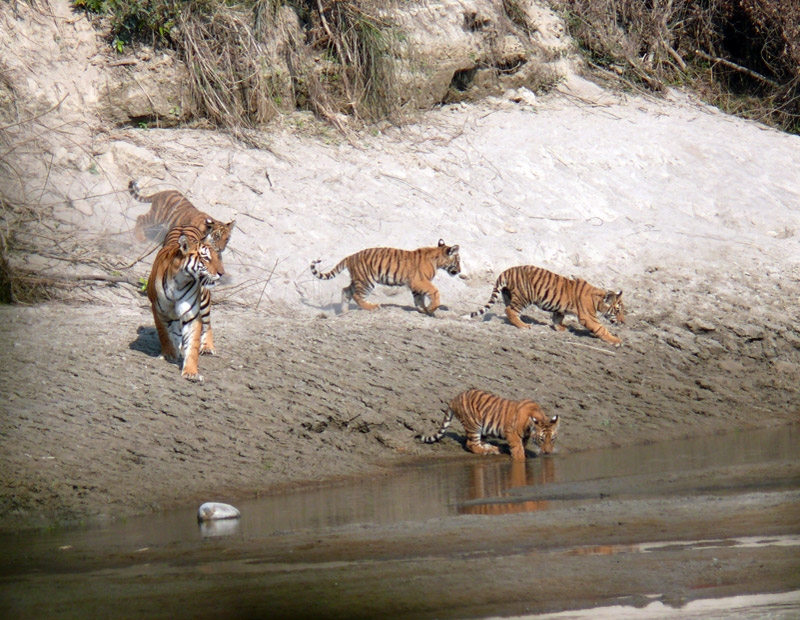
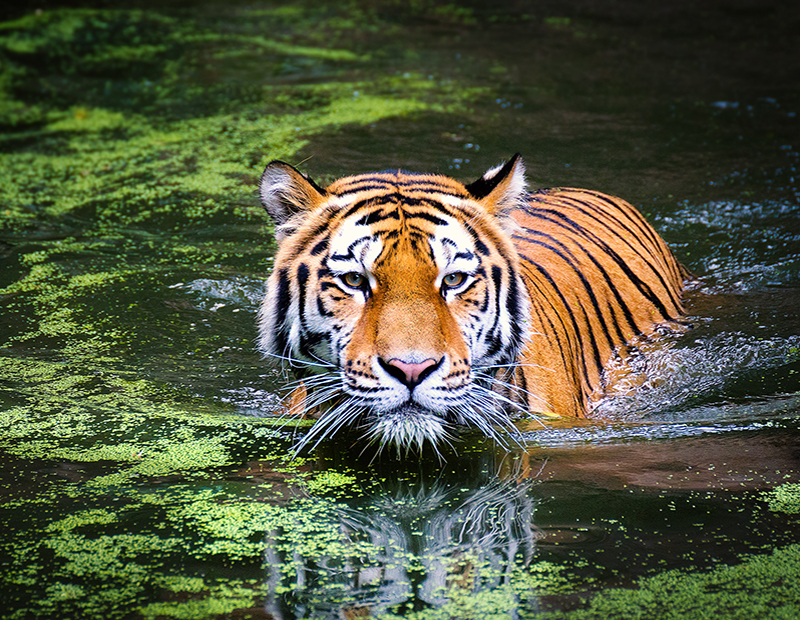
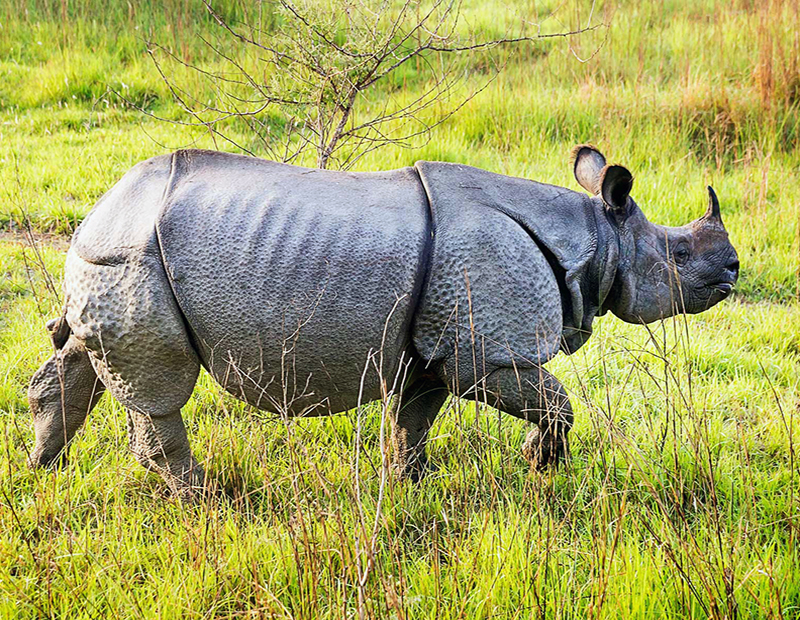
Bardia National Park is Nepal's largest national park and its most rewarding wildlife destination for travelers who want genuine wilderness without the crowds. Covering 968 sq km of pristine sal forest, tall-grass savanna, riverine forest and grassland in the far-western Terai, Bardia receives a small fraction of Chitwan's visitor numbers while supporting Nepal's densest tiger population outside Chitwan. This combination - exceptional wildlife, minimal disturbance, low tourist traffic - makes Bardia the best park in Nepal for serious wildlife encounters. Established in 1988 as Royal Bardia National Park, the park protects the full range of Terai megafauna including Bengal tiger, Greater one-horned rhinoceros, wild Asian elephant, swamp deer, blackbuck, gharial and mugger crocodile, and the endangered Gangetic river dolphin in the Karnali River corridor.
The park's 70% forest cover comprises 839 recorded plant species across sal woodland, mixed forest and riparian forest types, creating habitat for 53 mammal species and 407 bird species. The Bengal florican, white-rumped vulture, peafowl and bar-headed geese are among the notable bird species. The Karnali River, which forms the western boundary of the park, provides critical drinking water for the wildlife population and is one of the few remaining habitats of the Gangetic river dolphin in Nepal - an animal rarely seen anywhere else. Fishing and rafting in the Karnali and Babai rivers also give access to the park's most remote and undisturbed sections. See our Chitwan National Park guide if you are comparing the two major Terai parks, and our Nepal national parks overview for the full protected area network.
Jeep Safari: The most effective way to cover ground and maximise wildlife sighting opportunities. Full-day jeep safaris penetrate deep into the park's core zones, accessing grassland and forest edges where tiger, rhino and elephant movement is most likely. Experienced naturalist guides read tracks, signs and alarm calls to locate animals. Early morning departures are essential - dawn is when large predators are most active and the light is best for photography.
Jungle Walk: Walking safaris with trained park naturalists offer a different quality of experience from vehicle-based safaris - slower, quieter, and more attuned to smaller species, birds, tracks and forest ecology. Walking in tiger and rhino habitat requires an experienced guide and carries a genuine element of wildness that makes every sighting memorable. The guides employed in Bardia are among Nepal's most skilled and have worked in the park for many years.
Karnali River Boating and Rafting: The Karnali and Babai rivers provide calm boating and gentle rafting through the park's riverine corridor. Suitable for all age groups, the river trips offer excellent wildlife viewing from the water - rhinos and elephants drink at the banks, mugger crocodiles bask on sandbars, and fishing eagles and kingfishers hunt along the channel. Gangetic river dolphins are sometimes seen in the deeper sections of the Karnali. River trips can be combined with fishing, with mahseer and sahar among the target species.
Birdwatching: Bardia's 407 recorded bird species make it one of Nepal's top birdwatching destinations. Specialist bird walks focus on the grassland edge for Bengal florican (globally threatened), the riparian corridors for storks, herons and kingfishers, and the forest interior for raptors, woodpeckers and babblers. The period September to November and February to April offers the best species diversity as migratory species arrive.
Overnight Jungle Camping: Camping at designated sites inside the park - typically on the banks of the Karnali - gives the most immersive Bardia experience. Camp staff remain awake through the night and wake guests when animals approach. The dawn from the riverbank with forest sounds all around is extraordinary. This is available through select lodges with the required permits.
Treehouse Stay: Community-managed treehouses within the buffer zone forest allow overnight stays in elevated platforms overlooking grassland and riverine habitat. Located where WWF and local communities collaborate on wildlife conservation, treehouse nights give sightings of rhino, deer, and night-active species alongside exceptional sunrise and sunset views over the Terai landscape.
Mid-September to mid-December: Post-monsoon season with fresh vegetation and good visibility. Wildlife is active after the wet season and tiger sightings are consistent.
February to end of May: Peak wildlife viewing season. As the grassland dries and vegetation thins, animals concentrate around water sources and are easier to locate. This is the best period for tiger tracking.
June to August (monsoon): The park remains open and has genuine character - lush green vegetation and fewer visitors. Some low-lying areas flood but the sal forest zones remain accessible. Not recommended for first-time visitors primarily targeting large mammal sightings.
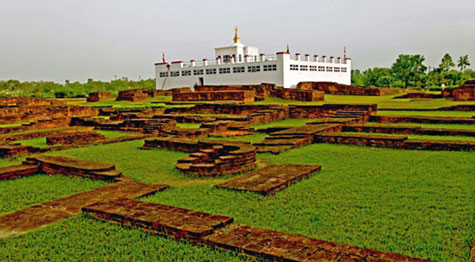
From Kathmandu: fly to Nepalgunj (1 hour domestic flight) then drive 3 hours to the park entrance at Thakurdwara. Alternatively, drive the full route from Kathmandu (approximately 12 hours via the Prithvi and Mahendra highways). Many visitors break the overland journey with an overnight stop at Lumbini (3 hours east of Bardia), combining Nepal's most remote wildlife park with its most sacred Buddhist site in one western Nepal circuit.
The main accommodation hub is Thakurdwara village on the park boundary. Options range from community lodge guesthouses to full-service jungle resorts. We strongly recommend Babai Resort (newly built with modern facilities) and Rhino Lodge Bardia (one of the oldest and most respected properties, known for quality naturalist guides). We arrange accommodation at both as part of our Bardia wildlife packages.
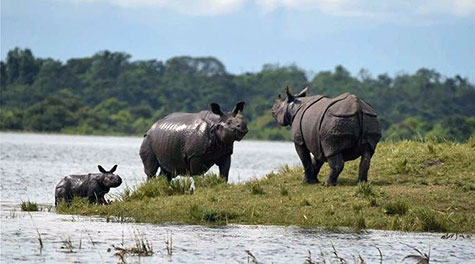
Bardia and Chitwan protect similar Terai ecosystems but offer very different experiences. Chitwan is more developed, more accessible and virtually guarantees rhino sightings within a day or two. Bardia is larger, more remote, receives far fewer visitors, and has a higher probability of tiger sightings specifically because the animals are less disturbed. If you want authentic jungle wilderness and the best chance of a tiger encounter in Nepal, Bardia is the better choice. Chitwan suits travelers with limited time who want reliable wildlife sightings in a more comfortable setting.
Key species include: Bengal tiger, Greater one-horned rhinoceros, wild Asian elephant, swamp deer (barasingha), blackbuck, four-horned antelope, spotted deer, sambar, gharial and mugger crocodile, sloth bear, leopard and the Gangetic river dolphin in the Karnali River. 407 bird species have been recorded including Bengal florican, bar-headed geese and white-rumped vulture.
The recommended route is a 1-hour domestic flight from Kathmandu to Nepalgunj followed by a 3-hour drive to the park. By road the full distance is approximately 12 hours. Breaking the overland journey with a night at Lumbini (3 hours east of Bardia) is an excellent way to combine Nepal's most important Buddhist site with its most remote wildlife park.
A minimum of 3 nights is recommended. 4-5 nights significantly increases your probability of tiger and rhinoceros sightings. Unlike Chitwan where rhinos are reliably seen within a day, Bardia requires patience - and the rewards of that patience are considerably greater. We recommend our 4-night Bardia packages for the best wildlife experience.
February to May is the peak wildlife viewing season when vegetation thins and animals concentrate around water. Mid-September to mid-December is also excellent for fresh post-monsoon conditions and active wildlife. Avoid June to August if your primary goal is large mammal sightings, though the park remains open and beautiful throughout monsoon.
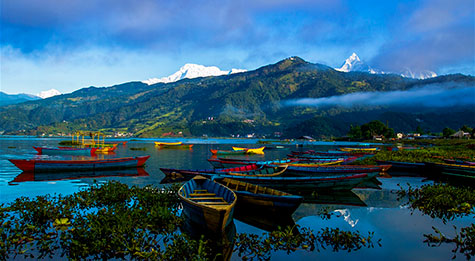
Yes - Bardia is 3 hours west of Lumbini by road, making a far-western Nepal circuit of Bardia and Lumbini highly practical. From Lumbini you can continue east to Chitwan (4-5 hours) and then to Pokhara and Kathmandu. Alternatively, fly back from Nepalgunj to Kathmandu directly. Contact us for a custom western Nepal wildlife circuit.
Getaway Nepal Adventure (P.) Ltd.
Thamel Kathmandu, Nepal
Tel: +977 98510 38 908





 TripAdvisor