Chitwan National Park is Nepal's first national park (established 1973), a UNESCO World Heritage Site (inscribed 1984), and the country's most visited wildlife destination. Located in the mid-southern Terai lowlands, the park covers 932 sq km of subtropical forest, tall-grass savanna and riverine habitat in the inner Terai valley. It is the most accessible of Nepal's major wildlife parks - 4-5 hours by road from Kathmandu or 25 minutes by domestic flight to Bharatpur - which means you can travel from the Himalayan foothills to a genuine Big Five wildlife habitat in a single day. The park's conservation record is one of Asia's great success stories: the Greater one-horned rhinoceros population recovered from 95 individuals in the early 1970s to over 700 today, entirely within and around Chitwan's protected zone.
The park is home to Bengal tiger, wild Asian elephant, gharial and mugger crocodile along the Rapti and Narayani rivers, leopard, sloth bear, gaur (Indian bison), four deer species and over 500 bird species including the rare Bengal florican, giant hornbill and over 50 raptor species. The surrounding buffer zone includes the Tharu community whose traditional relationship with the Terai forest is one of the most culturally distinctive in Nepal. A Tharu cultural show and village walk is a standard part of any Chitwan itinerary and provides genuine insight into indigenous Terai life. See our detailed comparison of Bardia National Park if you are deciding between Nepal's two main Terai parks, and our national parks guide for the full protected area overview.
Jeep Safari: The most effective activity for covering the park's core zones and maximising sighting opportunities. Full-day or half-day jeep safaris are led by licensed naturalist guides who read tracks, signs and alarm calls. The forested interior and grassland edge areas are accessible by 4WD only. Early morning departures are essential for tiger and leopard activity. Jeep safaris also reach the best areas for bird photography and give access to the crocodile breeding program areas on the Narayani River.
Jungle Walk: Walking with a trained naturalist provides a slower, more intimate experience of the forest ecosystem. You move at the pace of observation - pausing for bird calls, reading fresh rhino tracks, identifying plants used in traditional Tharu medicine. Walking in rhino and tiger habitat carries an authentic element of risk that is managed by expert guides. A morning jungle walk combined with an afternoon canoe trip is the classic Chitwan day combination.
Canoe Trip on the Rapti River: A dugout canoe drifting along the Rapti River provides the best vantage point for gharial and mugger crocodile sightings, as well as excellent waterbird photography. The riverbanks are prime habitat for storks, egrets, cormorants, kingfishers and fish eagles. Rhinos and elephants drink at the river's edge in the early morning. Canoe trips are typically 1-1.5 hours and operate year-round.
Elephant Observation Program: Chitwan's elephant program shifted from traditional elephant-back safaris (largely discontinued) to an observation-focused activity where visitors can watch the park's working elephants being bathed and fed at the elephant breeding center in Sauraha. This is an ethical wildlife interaction that supports the conservation program while giving close access to one of Asia's most charismatic species.
Overnight Jungle Tower Stay: A small number of elevated towers positioned at water sources and wildlife corridors inside the park offer overnight stays. Motion-activated lighting and the high vantage point give nocturnal wildlife sightings including tiger, leopard, rhino and deer that daytime safaris miss. A jungle tower night is one of Chitwan's most sought-after experiences. See our overnight jungle tower package.
Birdwatching: Chitwan's 500+ bird species list makes it one of South Asia's premier birding destinations. Specialist bird walks focus on the grassland edge for Bengal florican and cranes, the riparian zone for storks and kingfishers, and the forest interior for hornbills, minivets and babblers. The October to April season brings migratory species. Dedicated birding programs run year-round from Sauraha.
Tharu Cultural Show and Village Tour: The Tharu indigenous community has inhabited the Terai for centuries and developed cultural adaptations - including immunity to certain forest diseases - that enabled survival in the lowland jungle. The cultural show features traditional stick dance, song and costume. Guided village walks give access to traditional Tharu architecture, fishing techniques and community life that continues alongside the national park boundary.

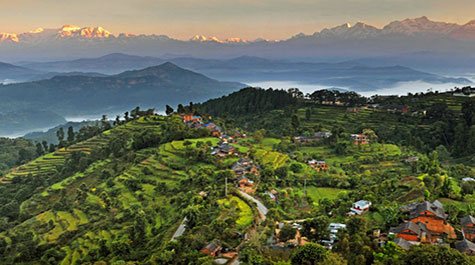

By road: 4-5 hours via the Prithvi Highway. Tourist buses from Thamel depart daily around 7am and arrive at Sauraha (the main safari hub) by midday. By air: 25-minute domestic flight to Bharatpur, then 30-minute drive to Sauraha. We include transport in all our Chitwan safari packages. Private vehicle transfers are also available for families and small groups.
Greater one-horned rhinoceros sightings are virtually guaranteed within 1-2 days at Chitwan - the 700+ population makes this Nepal's most reliable rhino destination. Gharial and mugger crocodile on the Rapti River are seen on almost every canoe trip. Spotted deer, langur monkeys and peacocks are ubiquitous throughout the park. Bengal tiger sightings require luck and multiple safari days but are possible at any time. Elephant sightings in the buffer zone are common.
Chitwan is more accessible, better developed for tourism, and virtually guarantees rhino sightings. Bardia is wilder, more remote, has fewer tourists and is considered Nepal's best option for tiger sightings specifically. For first-time Nepal visitors, Chitwan is the natural choice. For experienced wildlife travelers seeking a more remote experience, Bardia is superior.
October to April is best overall. February and March are the peak wildlife viewing months when vegetation is lowest and animals are concentrated around water. Rhino sightings are reliable year-round. June to September monsoon keeps the park open but some areas flood. Tiger sightings are actually possible in monsoon as the denser vegetation forces them to use specific trails.
We offer a range from 2-night budget packages to 5-night luxury safari lodges. Popular options include the standard 2-night Chitwan safari from NPR 155 per person, the jungle tower overnight experience, and the Trishuli River rafting combined with Chitwan package. Pokhara and Bandipur both combine naturally with Chitwan as part of a central Nepal circuit. Contact us for a custom itinerary to match your interests and schedule.

Getaway Nepal Adventure (P.) Ltd.
Thamel Kathmandu, Nepal
Tel: +977 98510 38 908





 TripAdvisor