Bhaktapur (also known as Bhadgaon, meaning "City of Devotees") is 13km east of central Kathmandu and the most completely preserved medieval city in Nepal. While Kathmandu and Patan have modernised around their historic cores, Bhaktapur has retained its medieval character throughout - the old city is a working residential and commercial community where Newari families still live and work in 15th-17th century buildings, women still dress in traditional attire and carry produce on head-baskets, and the rhythm of daily life follows patterns that have changed little across centuries. It is a UNESCO World Heritage Site, and unlike some UNESCO designations, the designation here genuinely reflects the living cultural significance of the place rather than just its architectural fabric.
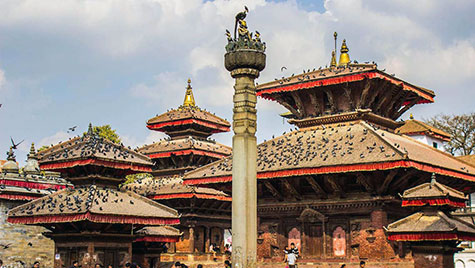
Bhaktapur Durbar Square is the main attraction and one of the finest concentrations of Newari architecture and art in the world. The 55-Window Palace (dating to the 12th century, with the present facade from the 17th century) dominates the square with its extraordinary carved peacock windows. The Golden Gate (Sun Dhoka), considered the finest piece of repousse metalwork in Nepal, stands at the palace entrance. Around the square, the Vatsala Durga temple, the Chyasilin Mandap octagonal pavilion (reconstructed after the 1934 earthquake) and multiple smaller shrines create one of Nepal's most photographically rich environments. Entry to the old city costs NPR 1,800 for foreign visitors and is valid for one day.
Beyond Durbar Square, three other areas reward exploration. Taumadhi Square contains the Nyatapola Temple - Nepal's tallest standing pagoda at 30m, built in 1702 and never damaged by earthquake - and the Bhairavnath Temple. Dattatreya Square in the east of the city holds the Dattatreya Temple, said to have been built from a single tree trunk, and the Pujari Math monastery with the famous Peacock Window - a masterpiece of Newari woodcarving. Pottery Square (Kumha Twa) between the Durbar and Taumadhi squares is where the Kumale caste still work traditional kick-wheels, shaping clay pots and vessels exactly as they have for centuries. The surrounding streets sell local specialties: Juju Dhau (the famous Bhaktapur king curd in clay pots), bara (lentil pancakes) and Newari snacks.
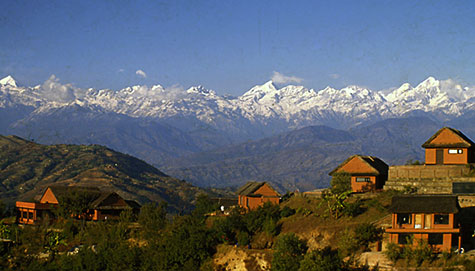
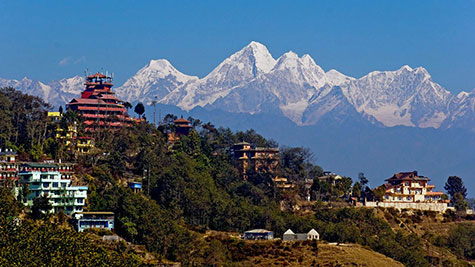
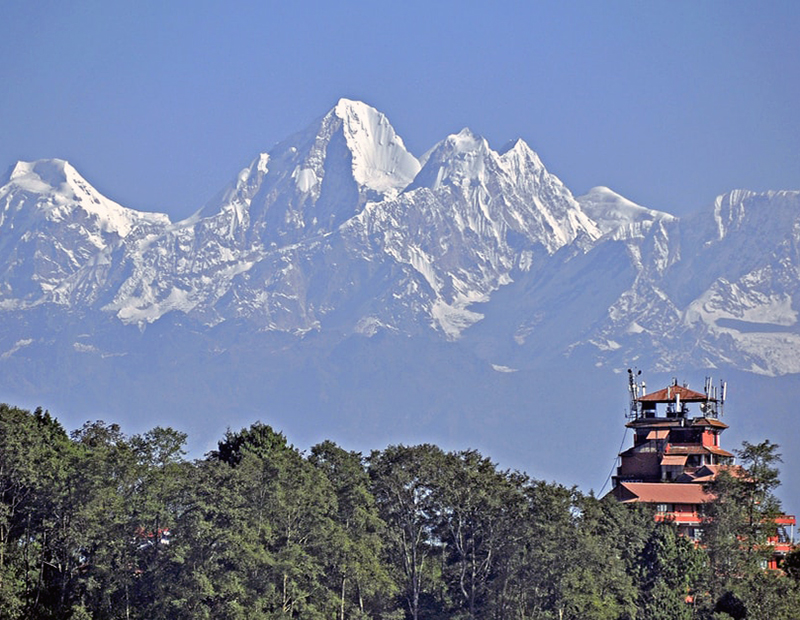
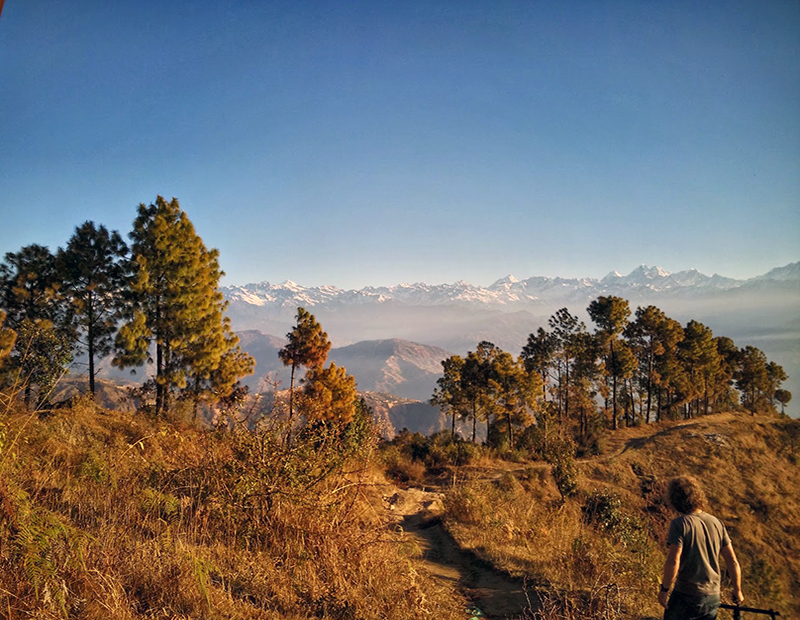
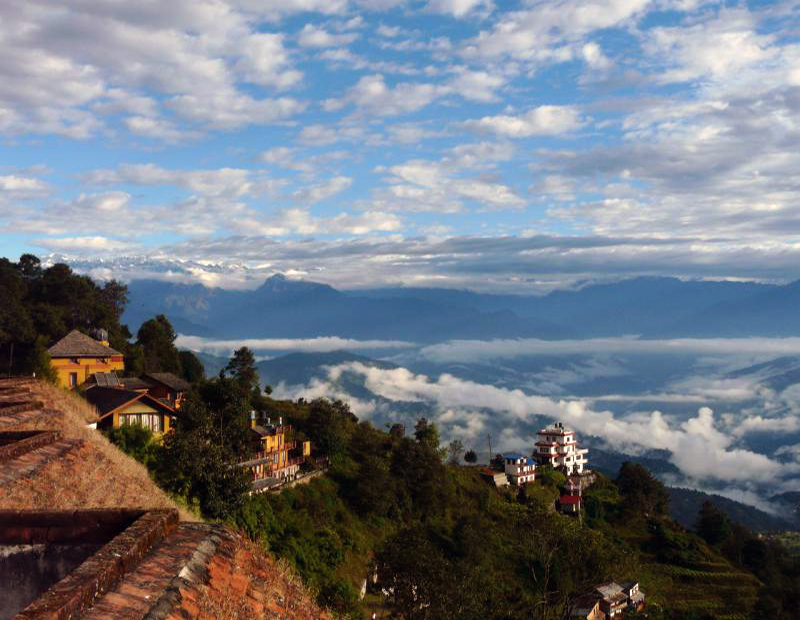
Bhaktapur pairs naturally with Changu Narayan Temple (5km northeast, the oldest temple in the Kathmandu Valley), a Nagarkot overnight for the Himalayan sunrise, and Dhulikhel's viewpoint as part of an eastern Kathmandu Valley circuit. For the full Kathmandu Valley UNESCO experience see our Kathmandu Valley guide, our UNESCO heritage sites overview, and Nepal itinerary ideas that include Bhaktapur.
Bhaktapur Durbar Square: The main square with the 55-Window Palace, Golden Gate, Vatsala Durga Temple and multiple smaller shrines. Allow 2-3 hours. Early morning (before 9am) gives the best light and the fewest other visitors - local life is most active at dawn.
Nyatapola Temple at Taumadhi Square: Nepal's tallest pagoda temple at 30m, built in 1702, with five-terraced staircases flanked by stone guardian figures of increasing power - wrestlers, elephants, lions, griffins and goddesses. The temple has never been seriously damaged by earthquake. The surrounding square is excellent for observing local market life and traditional Newari street food.
Peacock Window at Pujari Math: Considered the finest example of Newari woodcarving in existence, the Peacock Window is set in the side wall of the Pujari Math monastery in Dattatreya Square. The central peacock surrounded by intricate scrollwork, deities and decorative elements represents the pinnacle of the craft that produced Bhaktapur's extraordinary architectural heritage.
Pottery Square: A working craft area where Kumale caste potters produce traditional vessels on foot-powered kick-wheels. Visitors can observe and participate - short pottery-making sessions can be arranged, and the finished products are available for purchase. The square itself, with drying pots arranged on the ground, is one of Bhaktapur's most photographed scenes.
Dattatreya Temple and Square: The eastern quarter of the old city is quieter and less visited than the main Durbar Square area. The massive Dattatreya Temple, sacred to Hindus, Buddhists and Shaivites equally, occupies the center of a courtyard of smaller temples and monasteries. The Bhimsen Temple and the National Woodcarving Museum (in the Pujari Math) are also in this area.
Juju Dhau (King Curd): Bhaktapur is famous throughout Nepal for Juju Dhau - a thick, rich yoghurt set in unglazed clay pots that impart a distinctive mineral earthiness. The yoghurt is made from buffalo milk and the specific bacterial cultures used in Bhaktapur. Tasting it at a local sweet shop near Taumadhi Square is a non-negotiable part of any Bhaktapur visit.
Bhaktapur is 13km east of central Kathmandu, approximately 30-45 minutes by taxi. From Thamel, a taxi costs NPR 700-1000. Local buses from Kamal Pokhari bus park and the Sajha Yatayat green bus from Ratna Park are cheaper options. We include comfortable transport from your hotel as part of all our Kathmandu Valley heritage tours.
Foreign visitors pay NPR 1,800 (approximately USD 13) to enter the old city. SAARC nationals pay NPR 500. The ticket is valid for one day and covers all monuments within the city. Photography is permitted. There is no additional charge for Durbar Square, Taumadhi Square or Dattatreya Square.
Bhaktapur is the most completely preserved of the three royal cities - the medieval fabric of the old town extends far beyond the main Durbar Square into surrounding residential streets. Patan has excellent temples and the Patan Museum, but its surrounding area has modernised more. Kathmandu Durbar Square suffered significant earthquake damage in 2015. Bhaktapur also has the widest range of traditional crafts, foods and cultural practices still active in daily life - Pottery Square, Juju Dhau, Thangka painting and Dhaka weaving are all still practiced commercially.
One full day is the minimum to cover the main sites (Durbar Square, Taumadhi, Dattatreya Square and Pottery Square) with time to sit and observe local life. Two days allows a more relaxed pace, an evening walk through residential neighborhoods, and a half-day excursion to nearby Changu Narayan Temple. For photography, arriving for the pre-dawn and staying for sunset gives the best light.
Yes - this is one of the most popular Kathmandu Valley combinations. Spend the day in Bhaktapur, then take a 45-minute drive up to Nagarkot for an overnight stay with the Himalayan sunrise the following morning. From Nagarkot you can hike 6km down to Changu Narayan Temple (2-3 hours) and then connect to Bhaktapur or Kathmandu. We arrange this circuit as a standard 2-day package.
Getaway Nepal Adventure (P.) Ltd.
Thamel Kathmandu, Nepal
Tel: +977 98510 38 908





 TripAdvisor