Lumbini is the most sacred site in Buddhism and one of the most significant pilgrimage destinations in the world. In approximately 563 BCE, Siddhartha Gautama - who would become the historical Buddha - was born here in the garden of Lumbini to Queen Mayadevi of the Shakya kingdom. The site was definitively identified in 1896 when an inscribed pillar erected by the Emperor Ashoka in 249 BCE was discovered, confirming beyond doubt that Lumbini was the birthplace the ancient tradition described. Today the Lumbini Sacred Garden is a UNESCO World Heritage Site (inscribed 1997), visited by around 500,000 pilgrims and tourists each year from across the Buddhist world and beyond.
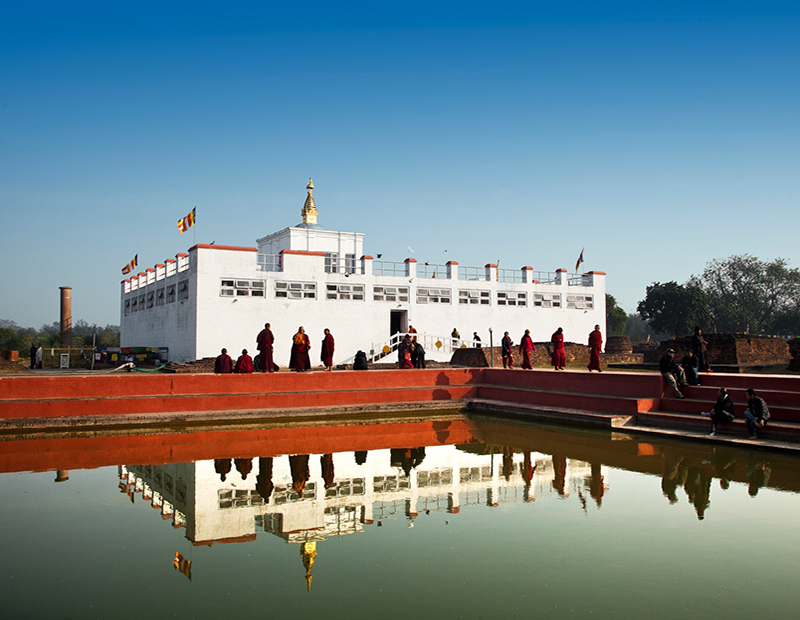
The Sacred Garden is organized around the Maya Devi Temple, built over the exact spot of the birth. The temple has been excavated and rebuilt multiple times over centuries; the current structure (2002) preserves an open central area allowing view of the original marker stone and the archaeological layers beneath. The Ashokan Pillar (249 BCE) stands beside the temple - the inscription in Brahmi script reads: "Here the Blessed One was born." This is the single most important piece of archaeological evidence for the historical Buddha. Also within the Sacred Garden is the Puskarni sacred pond (where Queen Mayadevi bathed before giving birth) and the sacred Bodhi tree. The wider Lumbini Development Zone, designed by Japanese architect Kenzo Tange in 1978, extends 3km north of the Sacred Garden and contains two monastic zones where countries from across the Buddhist world have built monasteries in their national styles. Over 22 nations are represented, creating an extraordinary architectural survey of world Buddhism within a single garden. See our Nepal pilgrimage sites guide for the full spiritual travel context, and our Lumbini pilgrimage tour packages.
Maya Devi Temple: The spiritual center of Lumbini, built over the exact birthplace of the Buddha. The current temple structure preserves the original marker stone and archaeological layers dating to the 3rd century BCE. Photography is not permitted inside the temple. Pilgrims from Tibet, Thailand, Myanmar, Sri Lanka, Japan, Korea and many other countries perform prayers and circumambulation here continuously from early morning to evening.
Ashokan Pillar: Erected by the Emperor Ashoka in 249 BCE during his pilgrimage to Lumbini, the inscribed sandstone pillar is the single most important piece of archaeological evidence confirming the historicity of the Buddha's birthplace. The Brahmi-script inscription reads that Ashoka made his pilgrimage here and exempted the village from tax in honor of the birthplace. At 7.79m tall, the polished pillar is remarkably well-preserved after 2,300 years.
Sacred Puskarni Pond: The ancient bathing pond described in Buddhist texts as the place where Queen Mayadevi bathed before giving birth, and where the infant Siddhartha was bathed after his birth. Excavations have confirmed the pond's antiquity to the 3rd century BCE.
East Monastic Zone (Theravada): The eastern section of the monastery zone contains monasteries built in the Theravada Buddhist traditions of Sri Lanka, Thailand, Myanmar, Cambodia, Laos and Vietnam. The architectural variety - from the Thai monastery's gilded roofs to the Sri Lankan whitewashed dagoba - reflects the diversity of Buddhist practice across Southeast Asia.
West Monastic Zone (Mahayana and Vajrayana): The western zone contains monasteries in the Mahayana and Vajrayana traditions of China, Japan, Korea, Vietnam, Tibet, Bhutan, Nepal and Germany. The Great Drigung Kagyud Lotus Stupa (Tibetan), the Panditarama Shwe Taung Dhamma Meditation Centre (Myanmar) and the World Peace Pagoda (Japan) are among the most architecturally distinctive.
World Peace Flame: Burning since 1986, the eternal flame at the center of the garden complex was lit from flames brought from various world conflict zones as a symbol of Buddhist dedication to peace.
Lumbini Museum: Houses archaeological findings from excavations in and around the Sacred Garden, including terracotta figurines, coins, and architectural elements spanning the 3rd century BCE to the 9th century CE.
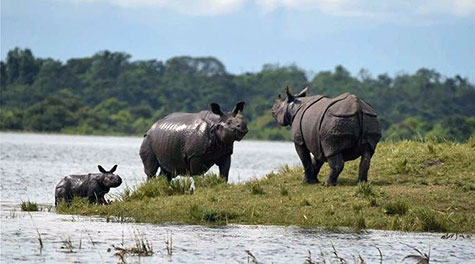
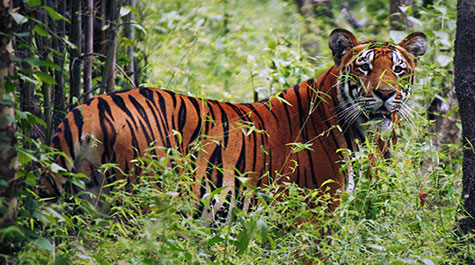
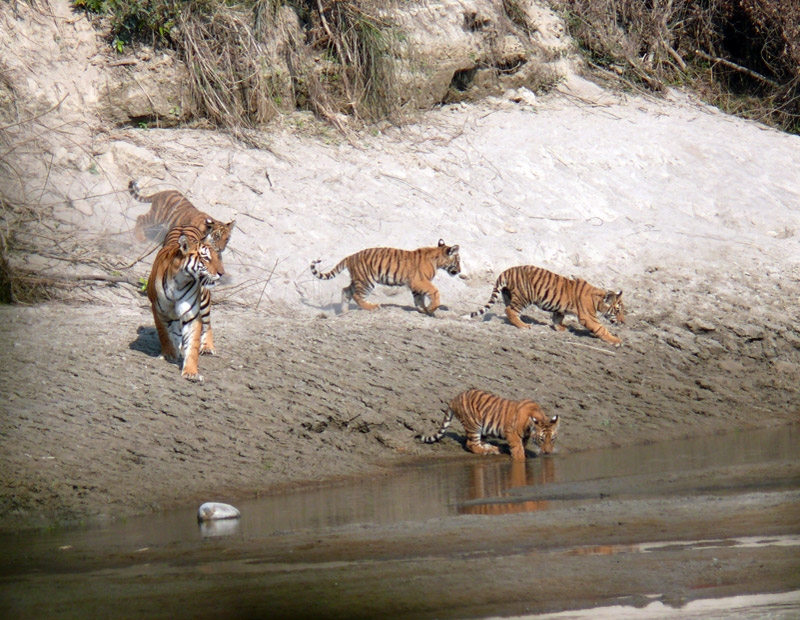
From Kathmandu: 25-minute domestic flight to Bhairahawa (Gautam Buddha International Airport) then 20-minute drive. By road 6-7 hours via Pokhara. Many combine Lumbini with Chitwan National Park (3-4 hours east) and Bardia National Park (3 hours west) for a western Nepal wildlife and pilgrimage circuit.
Entry: Sacred Garden entry NPR 200 for foreign visitors. Outer development zone is free. Dress modestly and remove shoes at the Maya Devi Temple.
Best time: October to March for comfortable temperatures. Buddha Jayanti (May full moon) is the most significant pilgrimage time of the year - the anniversary of the Buddha's birth, enlightenment and death draws pilgrims from across the world.
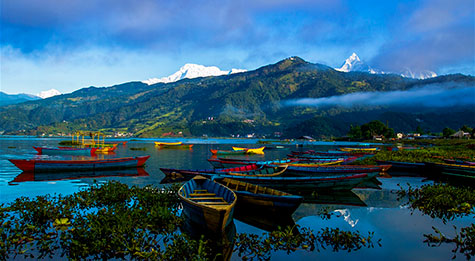
The fastest option is a 25-minute domestic flight from Kathmandu to Bhairahawa (Gautam Buddha International Airport), followed by a 20-minute drive to the Sacred Garden. By road the journey is 6-7 hours via the Prithvi and Siddhartha highways. Many visitors break the road journey with an overnight stop at Pokhara or Tansen. We arrange all transport as part of our Lumbini pilgrimage packages.
Entry to the outer Lumbini Development Zone (including the monastery zones) is free. The Sacred Garden entrance costs NPR 200 for foreign visitors. The Maya Devi Temple is included in the Sacred Garden fee. Photography inside the Maya Devi Temple is not permitted. Dress modestly and remove shoes at the temple entrance.
One full day covers the Sacred Garden (Maya Devi Temple, Ashokan Pillar, Puskarni pond) and a selection of the international monasteries. Two days allows a relaxed visit to all monastery zones - the East Monastic Zone (Theravada) and West Monastic Zone (Mahayana and Vajrayana) each contain a dozen or more significant structures. Overnight accommodation in Lumbini village and at several monastery guesthouses is available.
Yes - this is one of Nepal's most rewarding western circuits. Lumbini, Chitwan National Park (3-4 hours east) and Bardia National Park (3 hours west) form a natural triangle that can be covered in 7-10 days. The combination gives Nepal's most sacred Buddhist site alongside two of Asia's finest wildlife parks in a single western Nepal journey.
October to March is most comfortable. Buddha Jayanti (Vesak Day, the May full moon) is the most spiritually significant time - the anniversary of the Buddha's birth, enlightenment and death attracts pilgrims from across the Buddhist world. April to June is hot but the pilgrimage continues. Lumbini is accessible year-round - the Cultural heritage sites are not affected by monsoon weather.
Getaway Nepal Adventure (P.) Ltd.
Thamel Kathmandu, Nepal
Tel: +977 98510 38 908





 TripAdvisor